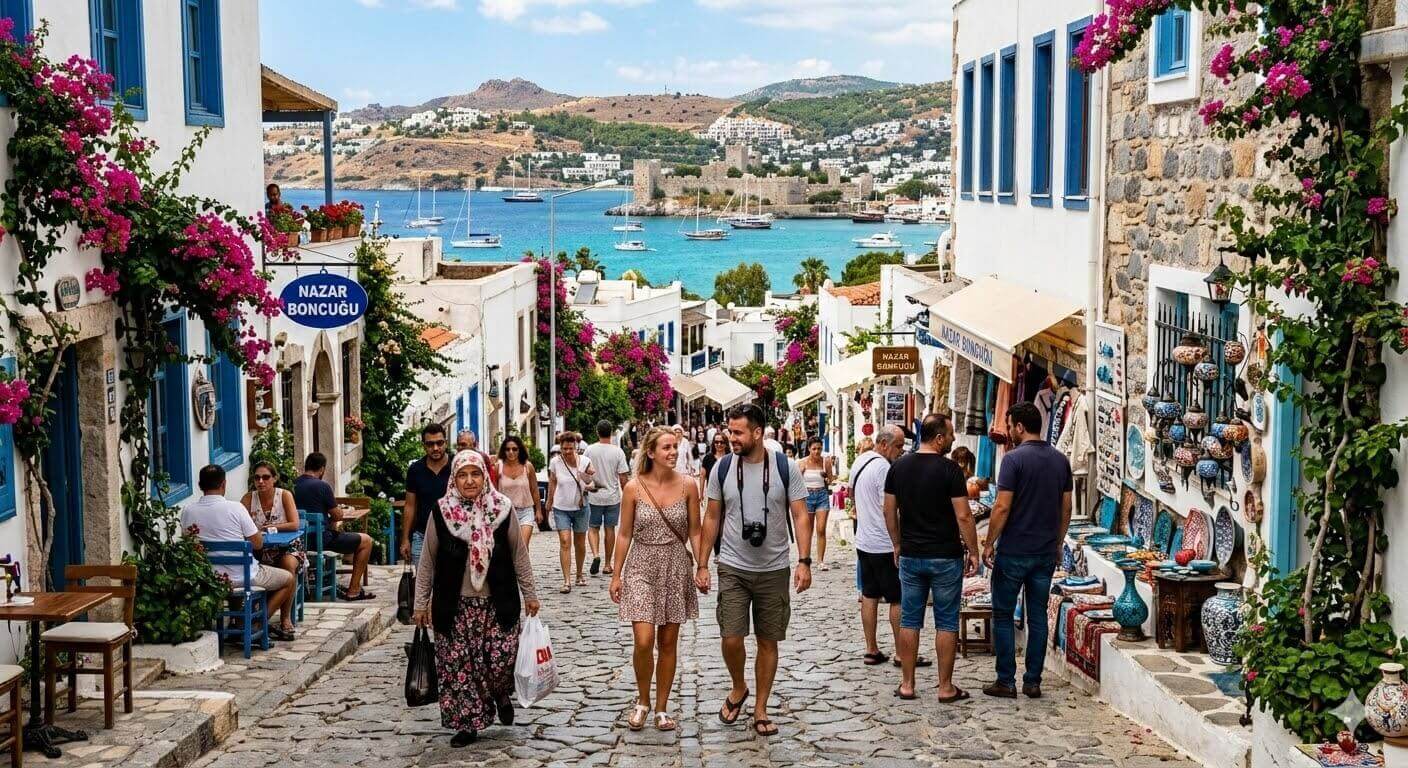
All popular spots you should see in Bodrum.
Reading Time: 5 min
When it comes to Bodrum, the first structure that comes to mind among tourist attractions is Bodrum Castle. This castle, which is the symbol of the city with its unique silhouette, is a destination that history and sea lovers must see.
Bodrum Castle offers a rich experience with both its architectural features and its function as a museum. Built by the Knights of St. John in the 15th century, between 1403–1522, this work also serves as the Underwater Archaeology Museum today.
Bodrum Underwater Archaeology Museum: Located inside Bodrum Castle, it is one of the most important and largest underwater archaeology museums in the world. Housing magnificent works such as Yassıada, Şeytan Deresi, Serçe Limanı shipwrecks and the famous Uluburun Shipwreck, the museum opens a unique window into the maritime trade of ancient times.

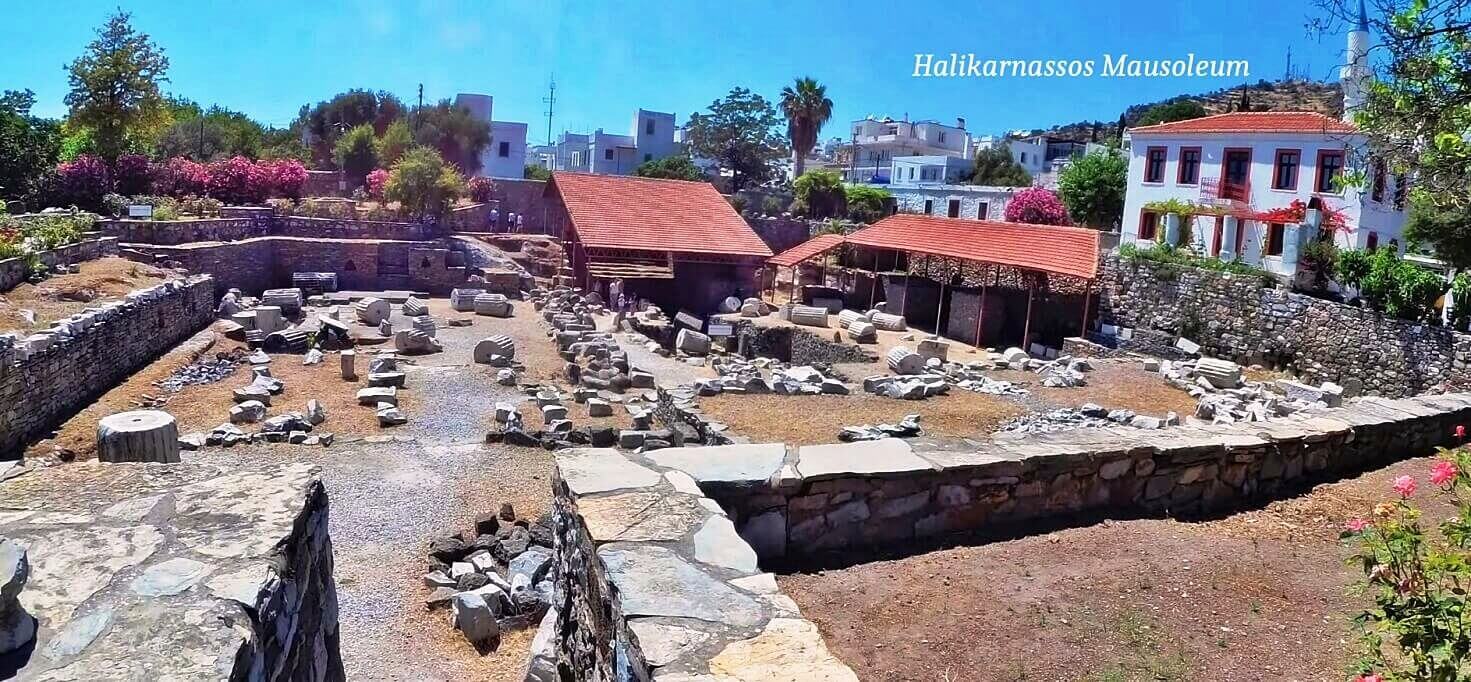
The Mausoleum is considered one of the seven ancient wonders of the world. Built in the 4th century BC, this massive structure stood for about 1650 years. However, it was destroyed in the great earthquake of 1304. Today, the ruins of this impressive structure are open to visitors in Bodrum. Additionally, the stones of the Mausoleum were used in the construction of Bodrum Castle.
 Promotional Video
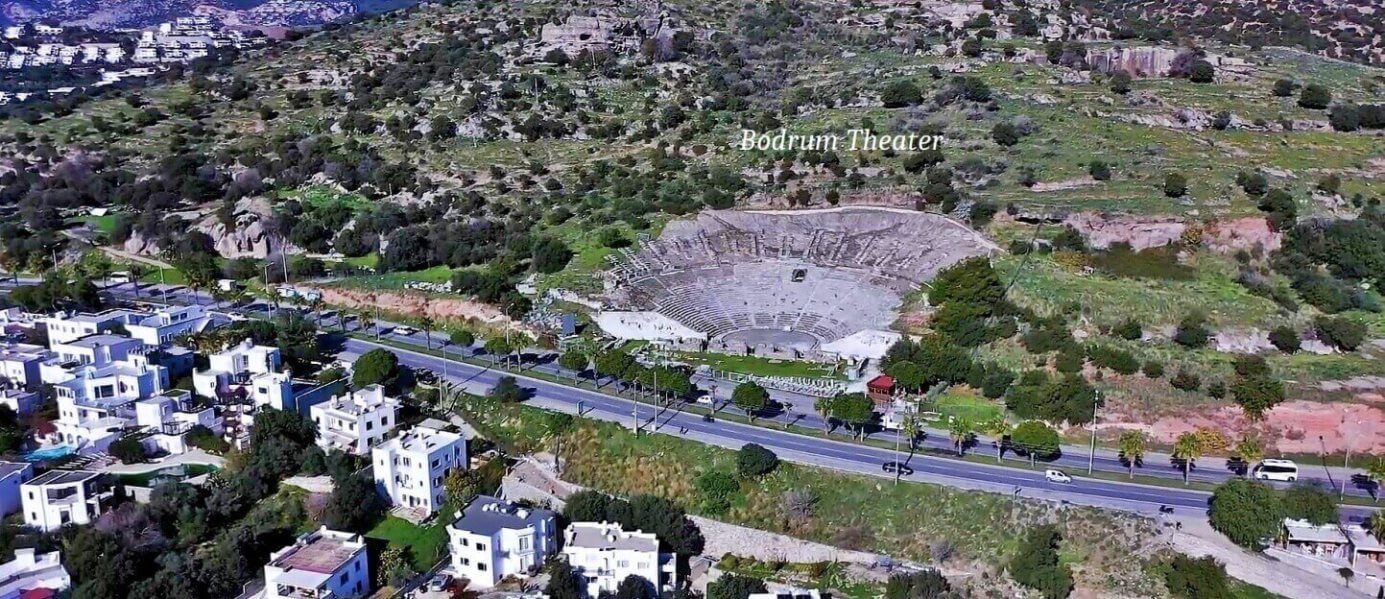
Bodrum Ancient Theatre was built in the same period as the Mausoleum and is one of the oldest ancient theatres in Turkey. Its first construction dates back to the 4th century BC, and it took its final form in the 2nd century AD. Unearthed during archaeological excavations in 1974, this magnificent structure is one of the most vital parts of Bodrum's cultural heritage with its unique architecture and deep-rooted history.
Having hosted countless unforgettable concerts and grand events for many years, this enchanting structure has been closed to artistic performances as of 2025. Today, the Bodrum Ancient Theatre remains open exclusively as a historical heritage site, inviting visitors to experience its ancient atmosphere.
 Promotional Video
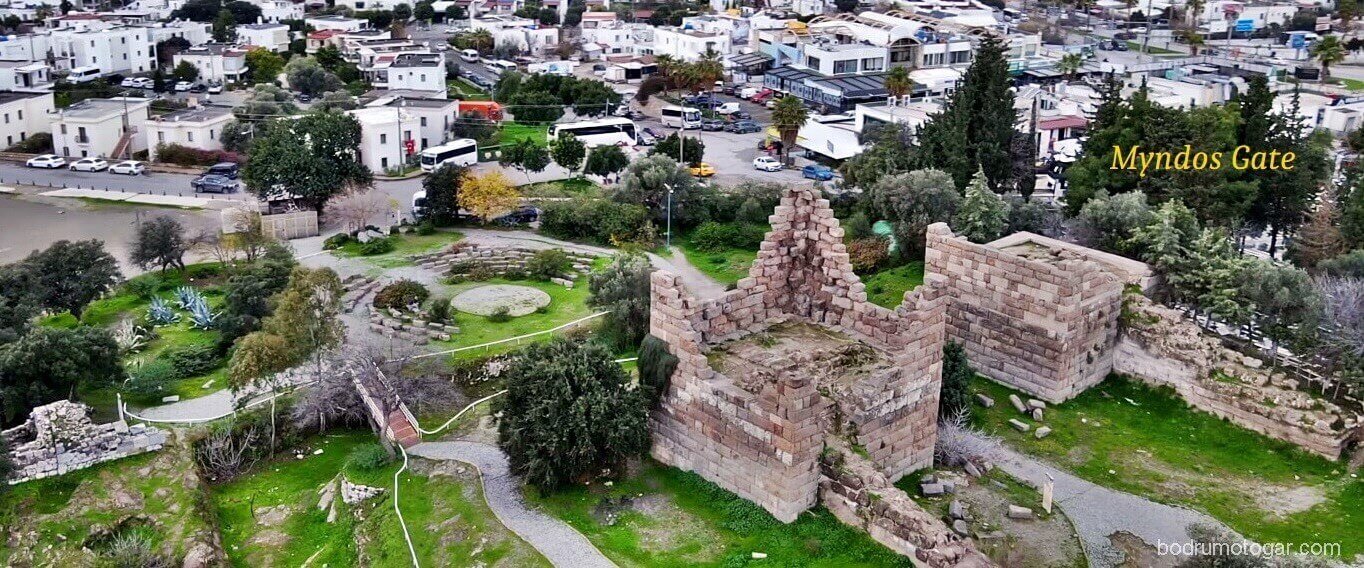
One of the two main entrances to Halicarnassus, the Myndos Gate was built by King Mausolus in the 4th century BC. This historical gateway, where some of the fiercest battles took place during Alexander the Great's siege of the city, was a strategic point that armies struggled to penetrate.
Opened to visitors in 2000 following meticulous restoration work, the gate today reveals Bodrum's ancient defensive architecture. Along with the surrounding Hellenistic and Roman tombs, the area serves as a virtual open-air museum.
One of Bodrum's historical riches is the old windmills built in the 1850s. A total of 67 windmills have been identified in 22 different locations across the peninsula. The most famous of these windmills are the ones seen in the picture.
It is one of the most photographed spots in Bodrum with both its historical texture and the unique panoramic view it offers. These structures, which are currently awaiting restoration, offer a fascinating visual feast to their visitors, especially at sunrise and sunset.

The house in Bodrum where Turkey's "Sun of Art," Zeki Müren, spent the last years of his life now serves as an art museum under the Ministry of Culture and Tourism. The artist's personal belongings, awards, and costumes are exhibited here.
In the museum, Zeki Müren's classic car can also be seen in the garden. Reflecting the artist's spirit, this house is both an emotional and cultural stop for visitors to Bodrum.

Located to the west of Bodrum Harbor, the Ottoman Shipyard was established in 1775 to rebuild the Ottoman fleet burned by the Russian navy. Today, it has been restored and transformed into an art gallery and event space.
Together with the Cafer Pasha Tower and the historic cemetery located behind the shipyard, this area has a peaceful atmosphere reflecting Bodrum's maritime history. It continues to host art lovers with exhibitions organized throughout the year.

Located approximately 4 km from Bodrum center, Pedasa is one of the best-preserved ancient cities founded by the Leleges. Dating back to the 6th and 5th centuries BC, this city is an indispensable route for hiking and history enthusiasts with its walls, necropolis area, and temple ruins.
Situated on the ridges of Konacık, the city offers visitors not only a historical journey but also the opportunity to explore the immense nature and landscape of the Bodrum Peninsula.

Established to preserve Bodrum's maritime heritage and pass it on to future generations, the Maritime Museum stands out particularly with its historic boat models and a massive collection of sea shells collected from all over the world.
Shedding light on Bodrum's core maritime activities such as sponge diving, fishing, and boat building, this museum gives visitors the chance to discover the true identity of Bodrum.

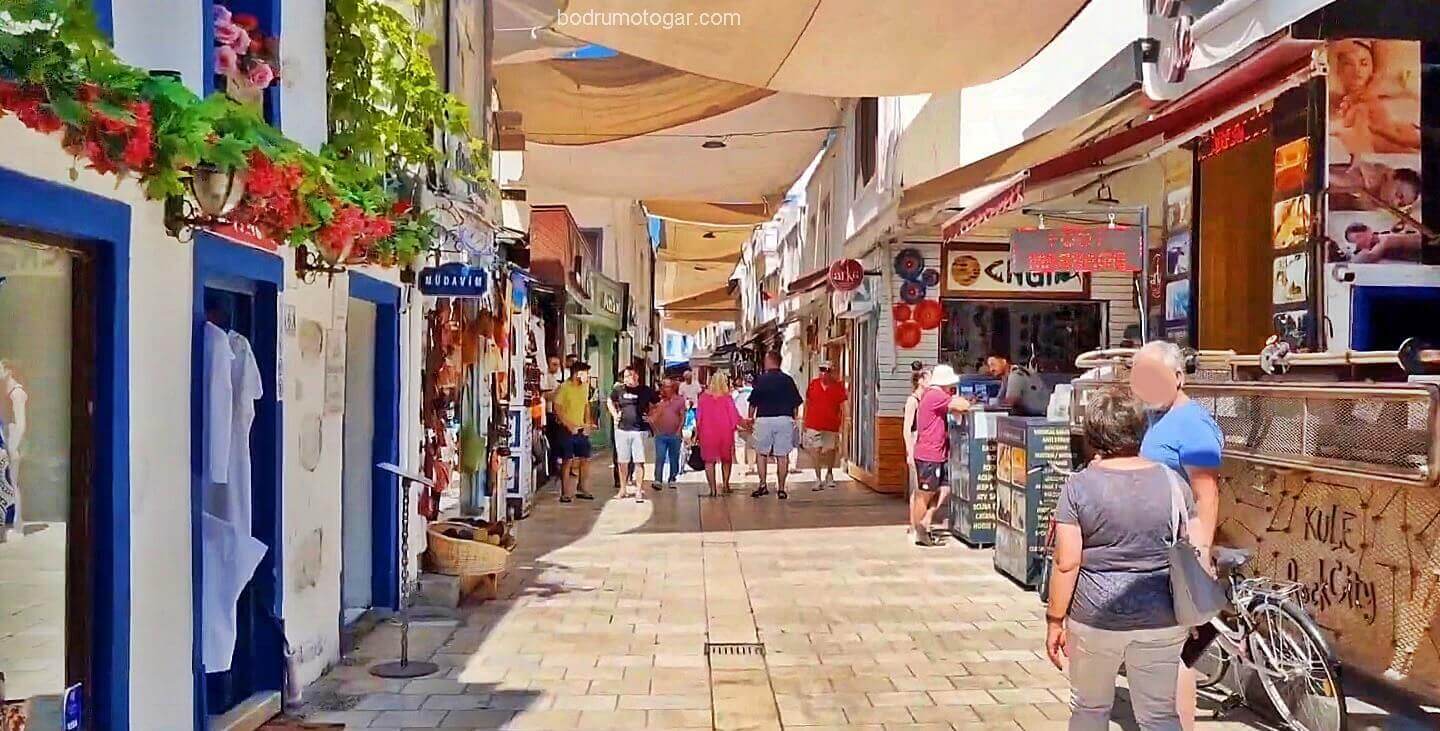
The Bazaar area, considered the heart of Bodrum, and Castle Street extending to the Bodrum Castle, are the most vibrant spots in the city. The narrow streets passing through white-washed houses are filled with souvenir shops, boutiques, and cafes.
It is the ideal area for an evening walk, discovering local products, and feeling Bodrum's unique energy. This region, which combines the city's historical texture with modern life, is a must-visit for every traveler.
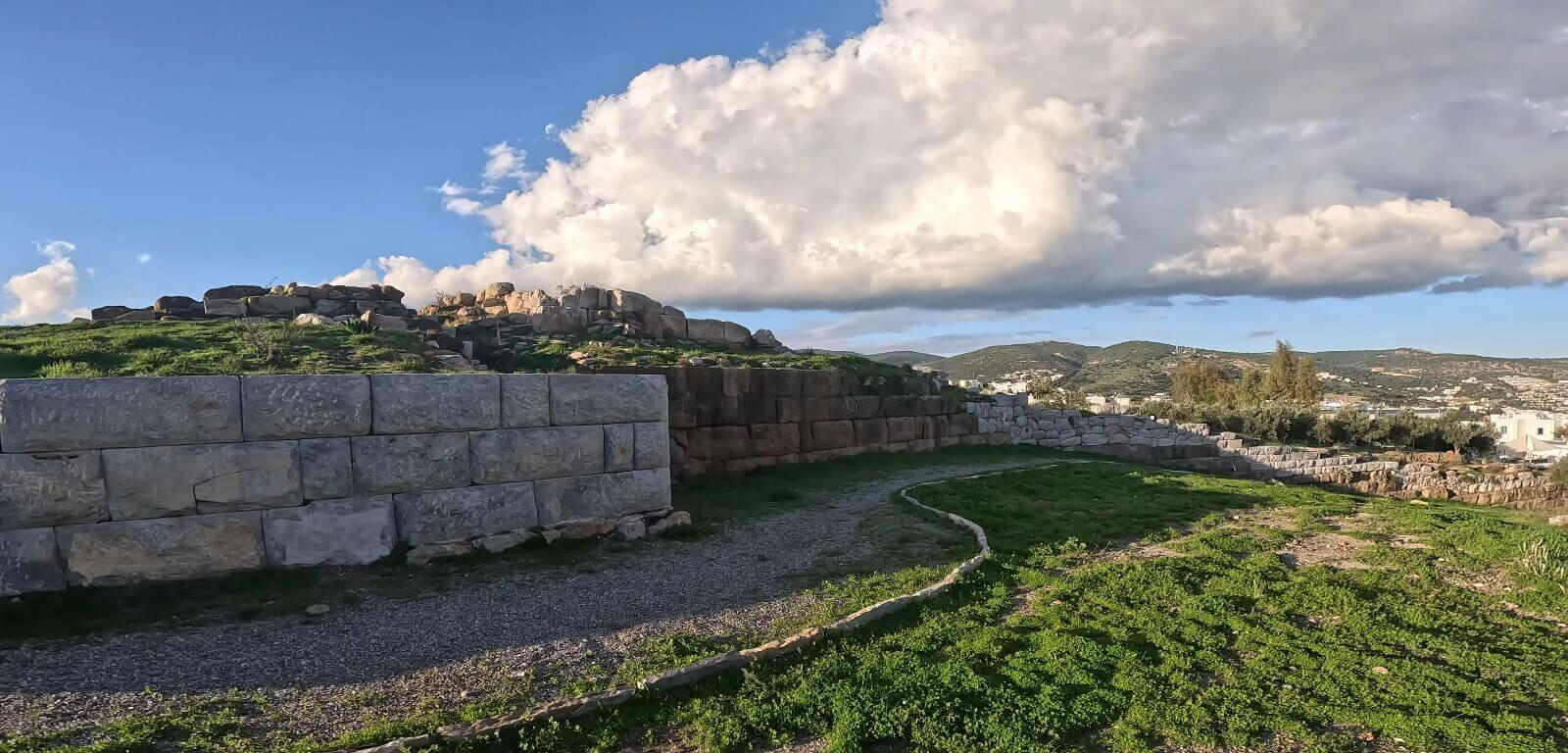
The Ancient Halicarnassus City Walls are among the important ancient ruins of Bodrum, with a history of approximately 2,400 years. A 1.3-kilometer section of the walls was arranged as a walking path and opened to visitors in 2021.
Gümüşlük – Ancient City of Myndos is a region famous for its historical ruins, where Rabbit Island can be reached by walking or swimming. The region also stands out with its charming fish restaurants by the sea; you can taste fresh seafood and have an enjoyable dining experience accompanied by the unique view at sunset.

 Bodrum Otogar